

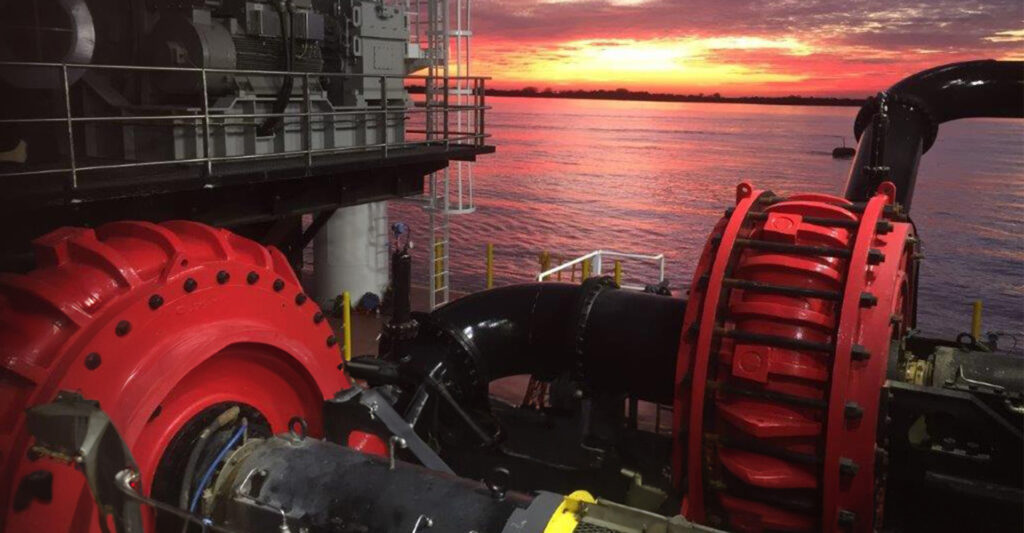
Overview
Dredging plays a vital role in global infrastructure, supporting port deepening, flood prevention, and wetland restoration. In 2024 alone, approximately 6,000 capital dredging projects were conducted worldwide, underscoring the scale and importance of these operations. As the industry grows, so do the challenges of reliability and profitability, making the selection and maintenance of consumables more critical than ever.
Operational Costs and Downtime
Dredging operations are notorious for their high expenses, with equipment maintenance and wear accounting for nearly 70% of ongoing costs. Major dredgers experience an average of 24 days of downtime annually due to equipment failures, sediment blockages, and challenging seabed conditions. The revenue lost during this downtime is significant, compelling operators to closely monitor all expenditures and prioritize equipment uptime.
Key Challenges in Dredging Equipment Maintenance
Excessive Wear: Dredge pumps constantly handle abrasive materials such as sand, gravel, and rock fragments. These abrasives can quickly reduce pump efficiency and damage critical internal components like impellers, casings, and liners just to name a few. This reduced efficiency causes pumping parameters to fall outside of the pump’s Best Efficiency Point (BEP) and further exacerbates wear and tear.
Misalignment and Fatigue: During operations, vessels are constantly in motion due to the effects of waves, tides, and shifting cargo, which can cause misalignment and fatigue in numerous mechanical parts. This ongoing adjustment to dynamic stresses often leads to irregular wear, the development of cracks, and eventual structural distortion. Without timely intervention, these problems can seriously undermine the reliability and efficiency of dredging equipment.
Corrosion: Because dredging is commonly performed in saltwater or brackish environments, components are regularly exposed to corrosive elements. This persistent exposure accelerates rust formation, jeopardizing the structural soundness of pumps and associated machinery.
Hazardous Debris: Large or foreign objects can become lodged in the impeller, suction, or discharge lines, instantly stopping flow. These blockages cause unplanned downtime and put extra strain on the drive system, increasing wear and risk of failure. Routine inspections and debris screens can help prevent these problems. In extreme cases, removing lodged debris may require disassembling equipment, further extending downtime and maintenance costs.
High Pressure: Dredging pumps are specifically engineered to function under extremely high operating pressures, a necessity for moving slurries across considerable distances in challenging marine environments. These demanding parameters subject critical components to intense mechanical stress, which accelerates fatigue and wear. To withstand such harsh conditions, pumps must possess exceptional robustness and durability, ensuring reliable performance even under continuous heavy-duty operation.
Equipment Failures: Key parts—such as impellers, wear plates, liners, bearings, seals, and fasteners—must withstand constant challenges from misalignment, saltwater corrosion, abrasion, and contaminants during dredging. Standard components can crack, erode, or seize under these conditions, often causing unplanned shutdowns and expensive repairs. Using premium-quality products, engineered specifically for harsh marine environments, greatly enhances durability and reliability.
Heavy Duty Consumables: Solutions for Reliability
To address these challenges, the dredging industry is increasingly relying on heavy duty consumables engineered for superior strength and durability. Advancements in materials and design have resulted in longer service life and improved resistance to harsh operating conditions.
Stronger Materials: Heavy-duty consumables are manufactured from high-quality white iron or even proprietary alloy steel specifically engineered to deliver exceptional resistance to abrasion, impact, and corrosion, making it ideal for use in the harsh industrial settings of dredging operations.
Advanced Surface Treatments: Many heavy-duty designs incorporate heat-treated or carburized components, which increase hardness and strength, offering superior performance in abrasive and high-pressure environments.
Competitive Advantage: Operators who invest in these advanced consumables benefit from reduced downtime, lower maintenance costs, and improved operational efficiency.
Conclusion
By choosing durable materials and leveraging cutting-edge engineering, operators can greatly prolong the life of critical dredging machinery and reduce the likelihood of unexpected failures. These forward-thinking investments protect equipment from the challenges typical of marine environments, resulting in safer, more productive worksites. Ultimately, prioritizing premium, heavy-duty components lead to greater reliability and significant cost savings over the life of dredging equipment.